Apple raises iPad and MacBook prices, blaming cost of chips amid AI boom
Apple just hiked prices across its Mac and iPad lineups, and the stated reason—soaring chip costs from the AI datacenter boom—suddenly makes every other brand’s next move a strategic play you need to watch.
Dennis Barlow·updated July 01, 2026
This isn’t an isolated adjustment; it’s a market-wide repricing event kicking off today.
The Damage: From MSRP to New Price Floor
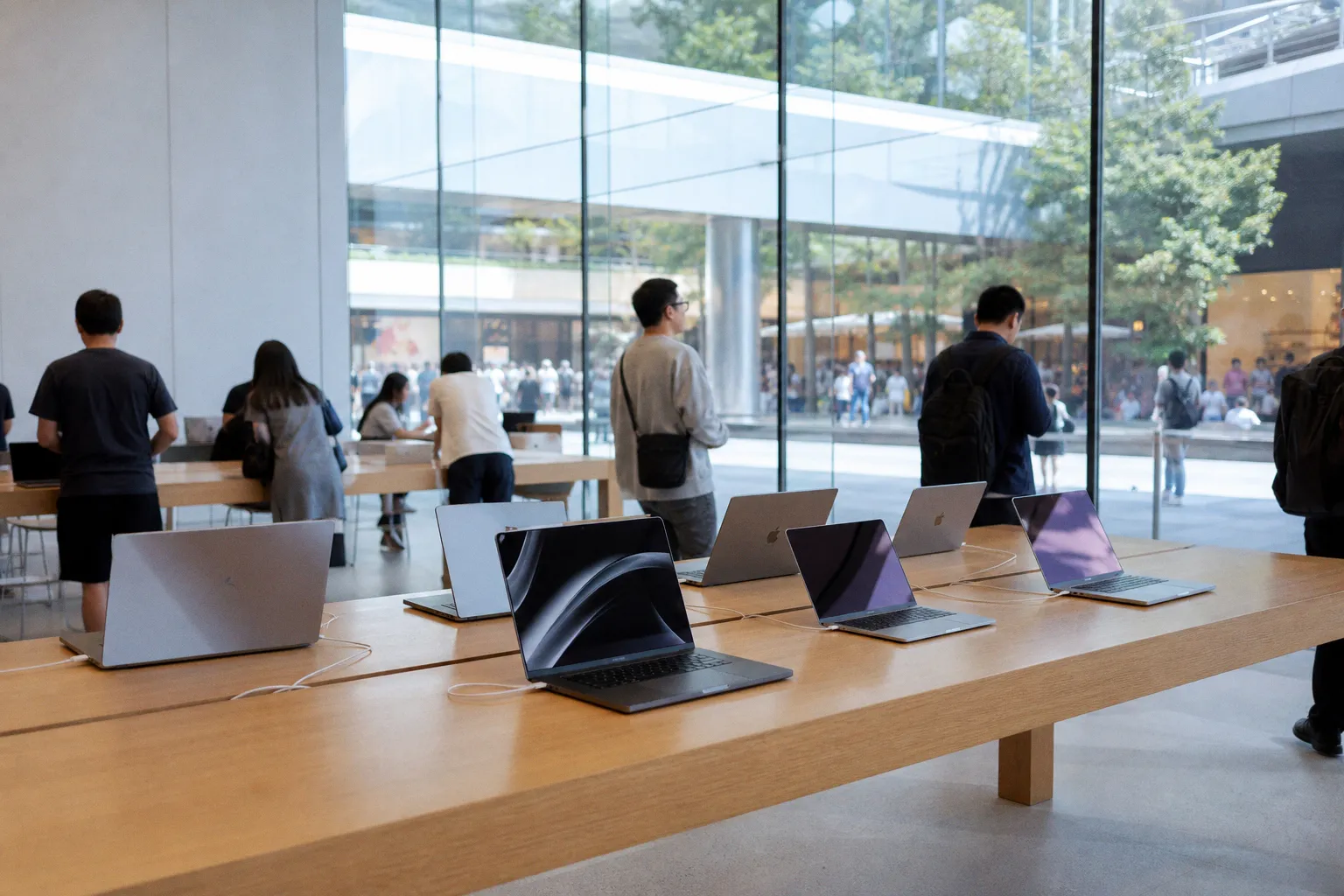
The increases are substantial and hit the brand’s entry points hard. The Neo laptop, Apple’s most affordable, jumps from $599 to $699. A MacBook Air with 512GB storage is up $200. The MacBook Pro with 1TB sees a $300 markup. iPad prices are also climbing. This establishes a new, higher price floor for Apple hardware, and the company admits it could no longer “shield” customers from the component tsunami. The move signals the end of a holding pattern; expect this new baseline to stick, not be rolled back with a fleeting sale.
The Catalyst: A Component Crunch You Can’t Discount
The core driver is a brutal DRAM and storage chip shortage, dubbed “Ram-ageddon.” Memory makers like Micron are prioritizing lucrative, long-term contracts with AI giants like Nvidia, diverting supply away from consumer electronics. TrendForce data shows DRAM prices rocketed 98% in Q1 2026 and are set to jump another 58-63% this quarter. Apple, despite its immense supply-chain leverage, is bending. This isn’t a profit grab dressed up as inflation; it’s a genuine cost pass-through. The grim side effect: IDC forecasts the smartphone market will see its largest-ever annual decline, nearly 14%.
The Counter-Play: Your Immediate Opportunity
While Apple tightens the screws, Samsung is doing the opposite. It’s slashing Galaxy Watch8 prices by up to 40% in key markets like the U.S. and U.K. This isn’t a clearance sale for old junk; the Watch8 was a major redesign launched last year. With the Watch9 imminent, likely offering only iterative upgrades, the discounted Watch8 presents a sharp cost-per-year value play. Samsung’s smartwatch shipments plunged 28% last quarter while Chinese rivals grew. This is a market share land grab, exploiting Apple’s price wall.
The practical read: If you’re in the Apple ecosystem, your window for current-generation hardware at old prices is closed. If you’re platform-agnostic or evaluating wearables, the calculus just flipped. The Watch8 deal is a concrete arbitrage opportunity against Apple’s new pricing regime. Don’t wait for the Watch9 launch hype; evaluate the discounted Watch8 now. The market is shifting from “best product” to “best deal,” and the clock on Samsung’s aggressive pricing is ticking toward its next product cycle.