Massive AI buildout poses inflation threat on consumer electronics
The AI buildout just reset the price floor on consumer electronics. Data center spending is on track to top $700 billion this year — Alphabet, Amazon, Meta, and Microsoft alone are slated to spend…
Dennis Barlow·updated July 13, 2026
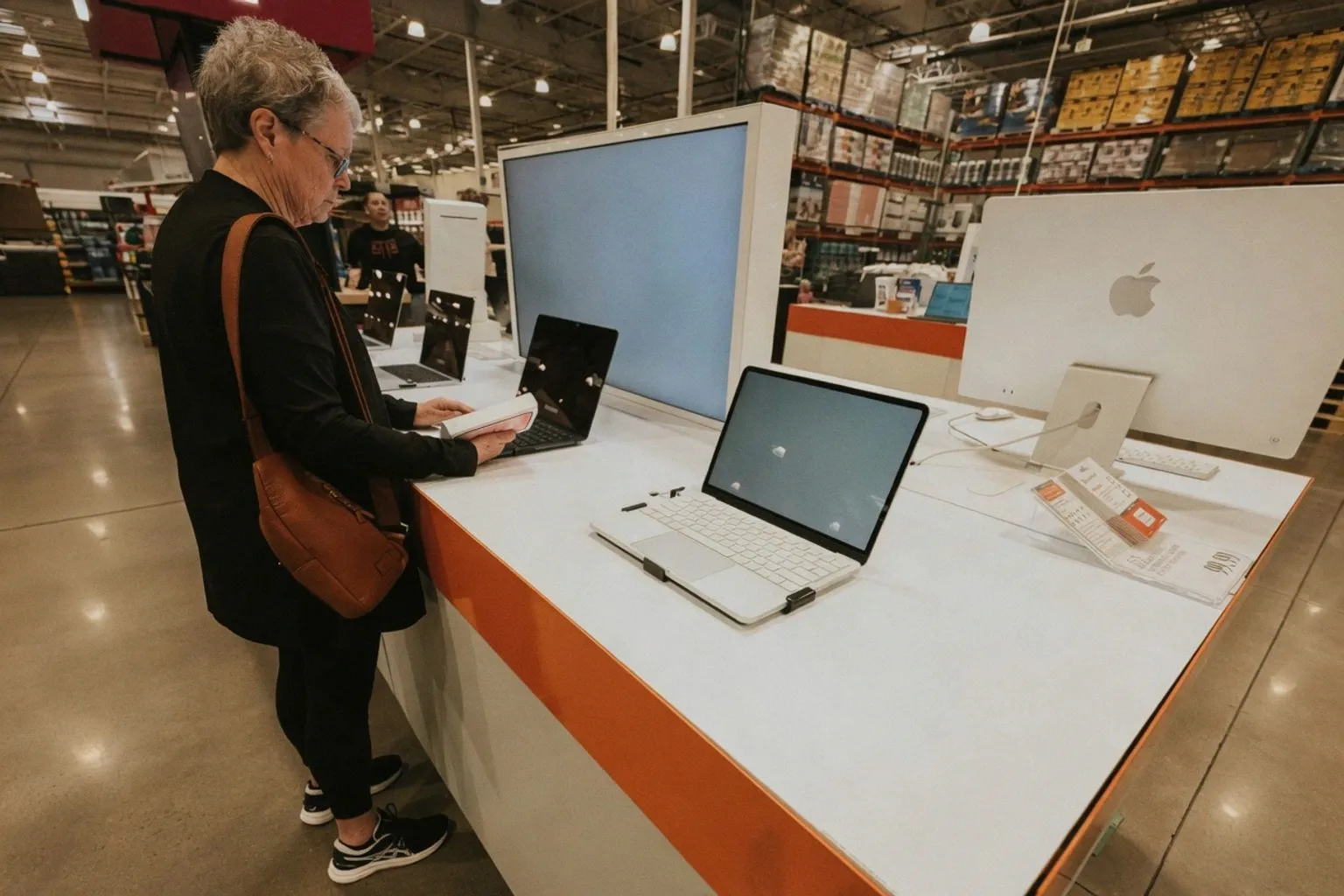
The AI buildout just reset the price floor on consumer electronics. Data center spending is on track to top $700 billion this year — Alphabet, Amazon, Meta, and Microsoft alone are slated to spend $720 billion on compute infrastructure — and that bill is now landing on the buyer's receipt. Translation: the laptop deal you've been watching is about to get worse, not better.
The Component Squeeze
JPMorgan estimates computer memory chip costs will soar as much as 400% between 2024 and year-end 2026. That's not a typo. AI data centers have redirected DRAM and NAND production toward high-bandwidth server silicon, starving the consumer channel of supply. Apple put it bluntly in its own statement: "We have never seen a component price increase this much, this quickly."
Electricity is the second-order hit. Data centers are absorbing a growing share of new generating capacity, pushing utility rates higher across the grid. Every device that needs charging inherits that cost — and laptops, consoles, and phones all draw more power than their predecessors.
Who's Marking Up
Apple went public last month with a 15% to 25% price hike on laptops and iPads. The base MacBook now lists at $1,999, up from $1,699 — a 17.6% jump that vaporizes any pre-tariff discount memory. Analysts expect iPhone pricing to follow within the next cycle.
Microsoft matched with a $100 Xbox increase effective August 1, citing the same memory cost story. Sony raised PlayStation prices quietly. Dell and HP moved laptop MSRPs north without press releases.
This isn't promotional seasonality. It's structural. Evercore ISI called it "a wave of AI-related cost pressures spilling over into consumer prices" that is still in its early innings.
The Fed Multiplier
The same AI capex is forecast to add roughly half a percentage point to core consumer inflation by year-end. That could be enough to keep the Federal Reserve from cutting — or push it to lift the key rate later in 2026 to cool spending.
Higher Fed rates pass straight through to auto loans, mortgages, and business credit. If you're financing a new rig or rolling a tech purchase into a home-equity line, price the rate path before you click buy. A rate hike of even 50 basis points adds hundreds of dollars over a multi-year loan term — and that compounds on top of the 15-25% device markup.
For cost-per-year, frame it this way: a $1,699 MacBook held three years cost about $566/year in depreciation before electricity. A $1,999 MacBook under the same math runs roughly $666/year — an extra hundred dollars annually in sunk cost, before any rate-driven financing hit stacks on top.
The Buy-Wait-Walk Matrix
The deal window is shrinking. With Apple's MacBook floor already at $1,999 and iPhone hikes widely expected, today's MSRPs are the cheap seats. But most "sale" pricing right now is just marketers normalizing the new floor — not genuine discount from historical lows.
- Buy now (within 60 days): any laptop or console you genuinely need. Lock in before the August Xbox bump and Apple's next adjustment cycle.
- Wait: accessory upgrades, second-device purchases, and anything where the new MSRP hasn't yet been established as a public benchmark.
- Walk away from: "limited time" deals that don't beat pre-July 2026 MSRPs. That's artificial markup dressed as a discount.
A final note on scope: this cost pressure isn't siloed to silicon. Broader e-commerce supply chains — from packaging demand to last-mile fulfillment — face similar inflation across consumer categories. When a retailer quotes you "shipping included," ask what's actually baked into that number.