This one Samsung Galaxy feature fixed my notification overload
A How-To Geek item says a single Samsung Galaxy feature reduced notification overload.
Glenn Harwood·updated July 08, 2026
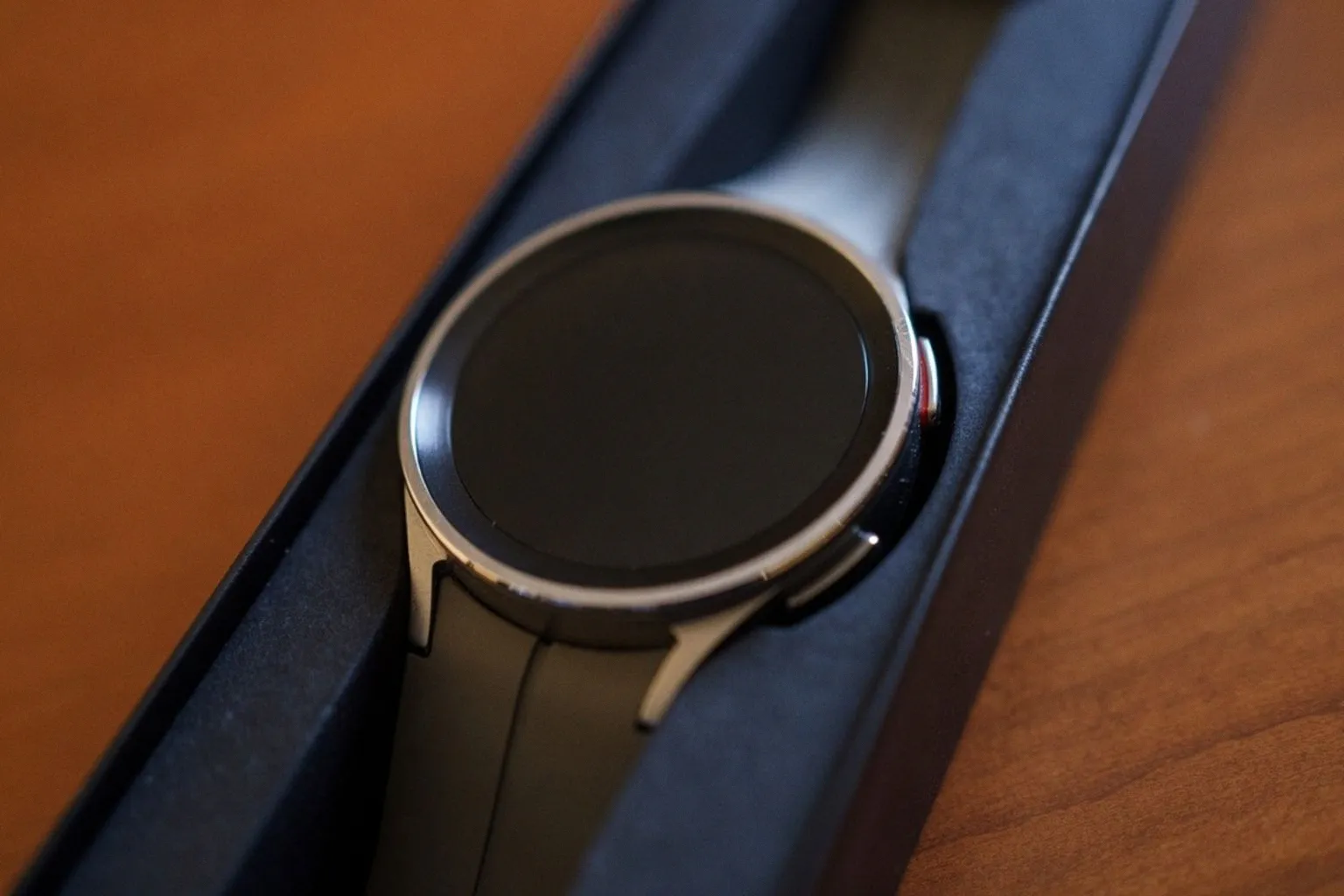
The available source material does not identify the specific setting, so the useful takeaway is narrower: Galaxy owners should treat notification control as a system-level tuning job, not an app-by-app cleanup ritual. For Samsung phone and watch users, that matters because Galaxy devices are tightly linked, and notification noise can propagate from handset to wrist.
Notification volume is now a hardware usability issue
The report is framed around a Samsung Galaxy feature solving notification overload. No technical details are available in the supplied material, so there is no basis to name the feature or claim how it works.
The practical point is still valid. Notification handling affects perceived device performance. A phone that constantly wakes the display, triggers vibration, or mirrors alerts to a smartwatch creates battery drain, attention cost, and haptic fatigue. On Galaxy hardware, the effect is amplified when a Galaxy Watch is paired, because phone alerts can become wrist alerts.
The data available from the source cluster supports one adjacent point: Galaxy Watch users already report recurring friction around software responsiveness and battery life. SlashGear notes complaints around laggy touchscreen response, background processes, cached data, pending updates, and battery runtime falling short of expectations. That makes notification tuning more than cosmetic. It is part of keeping the device stack stable.
Galaxy Watch users should audit alert routing first
Samsung’s wearable ecosystem is not just a display extension. It adds a second battery, a second vibration motor, and a second interface layer. SlashGear’s account says Samsung recommends restarting the watch, clearing cache, and installing the latest update when touchscreen response slows. The same report says clearing background processes and restarting the watch resolved laggy response in one case, aside from occasional hiccups.
That does not prove notification overload causes lag. The supplied material does not establish that link. But it does show a realistic maintenance path: reduce background activity, keep software current, and restart when behavior degrades.
For buyers and owners, the test is binary:
| Check | Why it matters |
|---|---|
| Phone-to-watch notification mirroring | Reduces duplicated alerts |
| Background processes | Can affect responsiveness |
| Pending updates | May include fixes |
| Cache buildup | Listed as a possible contributor to lag |
| Battery behavior | A common Galaxy Watch complaint |
If a Galaxy Watch is already struggling with touch latency or battery drain, adding every app alert to the wrist is poor configuration. Start with the highest-frequency apps. Disable watch mirroring where the alert does not require immediate action.
The same logic applies outside desk use. If a phone is paired to a watch during running or outdoor training, alert filtering matters as much as footwear or route planning; even coverage of a new budget running shoe points to the same equipment principle: reduce friction before the session starts.
Do not overread the Galaxy roadmap
The broader Samsung context is active but not directly tied to this notification report. PhoneArena has a report suggesting Galaxy Z Fold 8 and Z Flip 8 pricing may remain high. Samsung’s own newsroom is marking seven years of Galaxy foldable development. Those items indicate continuing Galaxy hardware momentum, but they do not confirm new notification behavior, pricing details, or software changes for this specific issue.
That distinction matters. A notification-control feature can improve daily usability without changing the purchase case for a foldable, a watch, or a standard Galaxy phone. It is a configuration advantage, not a hardware benchmark.
Verdict: if you already own a Galaxy phone, check notification routing before changing devices. If you use a Galaxy Watch, audit mirrored alerts, update the watch, restart it, and clear background load before assuming the hardware is failing. Buy or skip decisions should not hinge on this report until the exact Samsung feature is identified and tested.