Why AI Chip Demand is Triggering a Smartphone Supply Crisis in India
According to Counterpoint Research data cited by TechCrunch, India's smartphone shipments fell 10% year-over-year in the April–June quarter of 2026 — the steepest June-quarter decline in six years.
Glenn Harwood·updated July 18, 2026
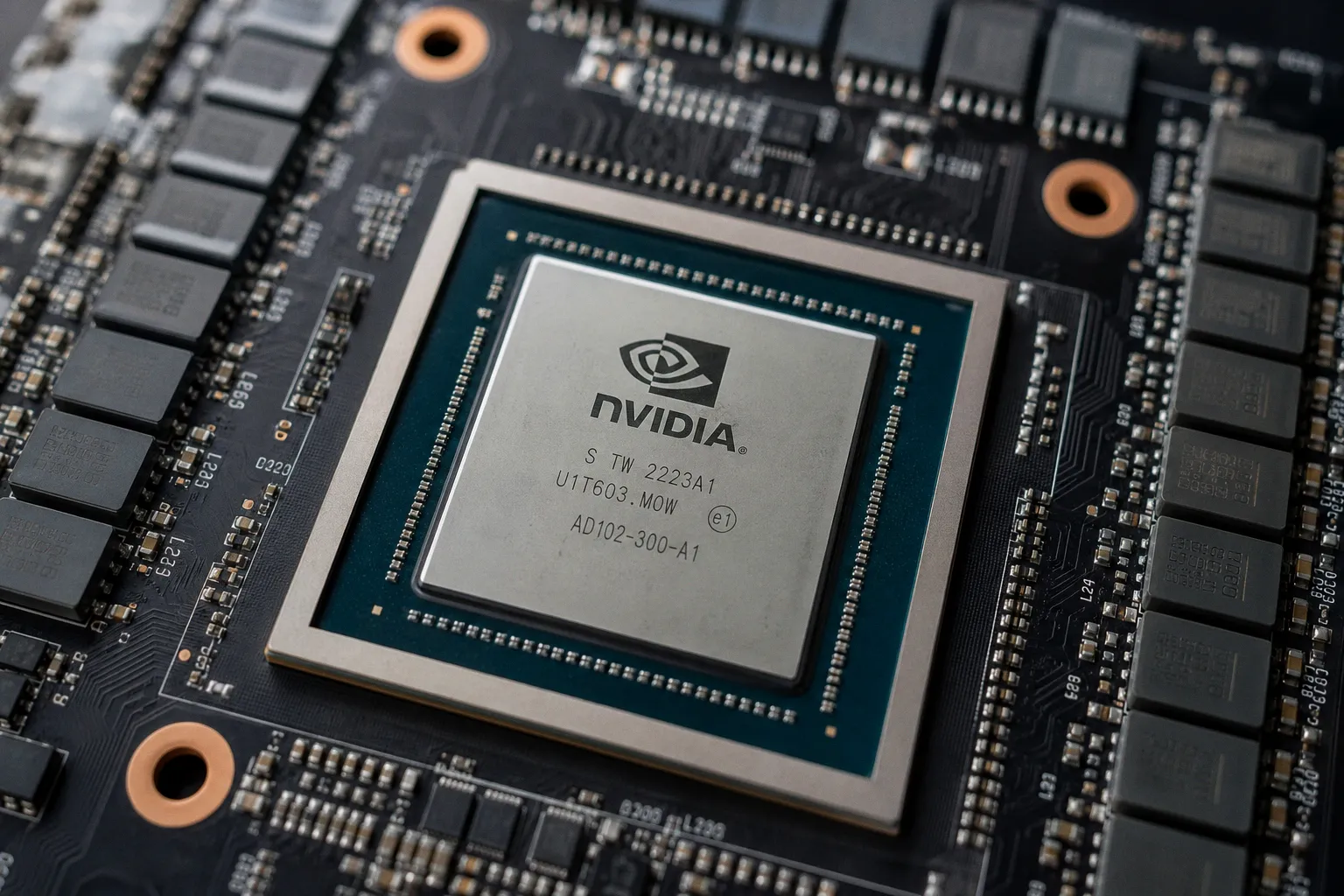
HBM cannibalizes commodity DRAM supply; Indian shipments contract 10%
The root cause: memory chip manufacturers Samsung, SK Hynix, and Micron are reallocating leading-edge wafer capacity to high-bandwidth memory (HBM) for AI accelerators, where margins per wafer far exceed commodity DRAM and NAND. The resulting supply contraction has pushed memory prices up more than sixfold over the past year, directly inflating bill-of-materials costs across consumer electronics.
India's market structure amplifies the impact. Roughly 60% of smartphone volume sits in the sub-₹20,000 segment (under $210), where component cost sensitivity is highest. Shipments in the sub-₹15,000 band collapsed 45% year-over-year. By comparison, China — the world's largest smartphone market — saw only a 2% decline in the same quarter, reflecting a higher mix of premium devices less exposed to memory cost pressure.
BOM composition shifts; replacement cycles extend to four years
The data shows a structural change in device economics. Counterpoint Research figures indicate that memory now accounts for 40% of the bill-of-materials cost for a typical $800 smartphone, up from 14% in Q1 2025. For a specific SKU tracked across both periods, embedded DRAM and NAND costs rose from $63 to $291 — a 4.6× increase in roughly twelve months.
The price pass-through is measurable across OEMs. Samsung raised Galaxy S26 series pricing in February and subsequently increased factory prices on the Galaxy Z Fold 7 and Flip 7 512GB models by approximately $63. Apple adjusted MacBook and iPad pricing upward by $100–$300 globally in June. Chinese OEMs including Vivo, Oppo, and Xiaomi have implemented comparable increases across their lineups.
Consumer behavior is adjusting accordingly. Counterpoint's Tarun Pathak projects average replacement cycles will stretch from approximately 3.5 years to around 4 years as buyers defer upgrades rather than absorb higher price points.
Market share divergence; Chinese brands lose ground
Samsung was the only major OEM to post shipment growth in India during Q2 — volumes up 2% year-over-year. Apple's shipments declined 3%, attributed primarily to supply-side constraints and inventory limitations rather than demand weakness. Consumers in higher price tiers have proved less price-sensitive, with financing mechanisms reducing the effective cost barrier, according to Counterpoint analyst Prachir Singh.
The more significant signal: combined market share for Chinese brands hit its lowest level for a second consecutive calendar quarter since 2020. Heavily exposed to entry- and mid-tier segments, these vendors are absorbing the full force of memory cost inflation with limited room to reprice without eroding volume. OnePlus announced this week it will exit Europe and North America while maintaining its India operations — a strategic contraction that coincides with the margin squeeze.
Industry sources and market research firms project the memory supply crunch will persist until at least 2027. The core dynamic remains unchanged: HBM's per-wafer profitability makes it structurally irrational for memory manufacturers to prioritize commodity parts. The broader compute landscape is grappling with similar energy and scaling constraints — researchers are now proposing alternative computing architectures designed to reduce AI energy consumption, but such solutions remain distant from commercial deployment.
Buy signal: If you need a new device in the sub-$200 segment, current inventory may represent a relative value before further price adjustments land in Q4. Skip signal: Upgrading now purely for incremental spec bumps offers poor cost-per-performance improvement — deferral is the rational play unless hardware failure forces the issue.