Noise cancelling headphones: definition and why demand grows
The price of silence has been marked up aggressively. That is the first thing to understand before asking what is noise cancelling headphones and why every audio brand now treats ANC like a mandatory line item on the invoice.
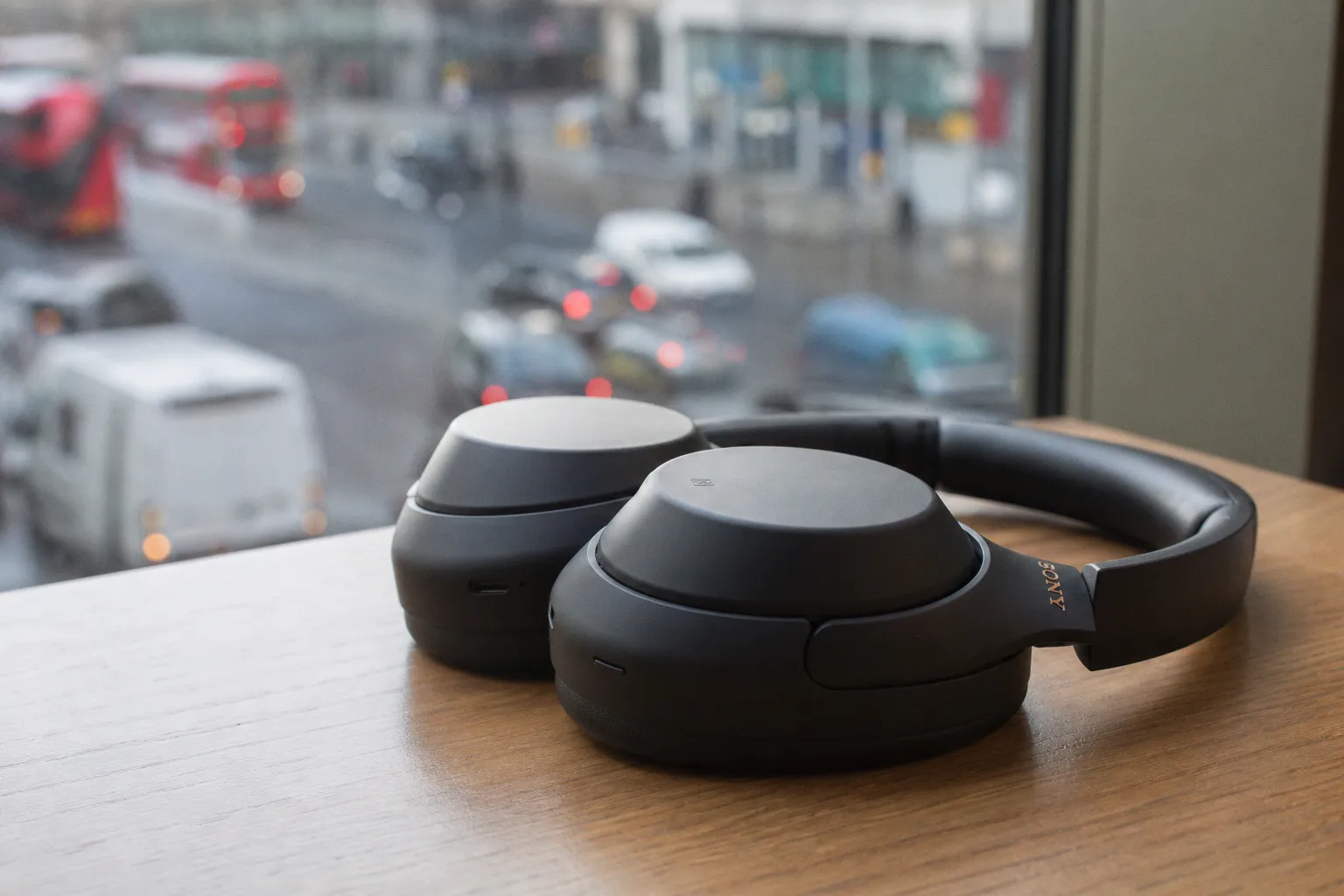
Once, active noise cancellation sat in aviation headsets and expensive over-ear models. Now it appears in $60 earbuds, $400 travel headphones, gaming headsets, office cans, and half the “Pro” products crowding retail shelves.
The demand is real. So is the padding. Noise-cancelling headphones solve a concrete problem: they reduce steady background noise so you can hear audio, take calls, or work without pushing volume into stupid territory. But the market has also learned to sell “quiet” as a premium lifestyle feature. That means you need to separate the technology from the receipt theater.
ANC is not magic. It is a controlled accounting trick: measure the noise, generate the inverse, cancel part of the balance.
The physics of silence: how active noise cancellation works
Active Noise Cancellation, usually shortened to ANC, is an electronic system that listens to the world around you and produces a counter-signal. Microphones on the headphones capture ambient sound. The processor analyzes that signal. Then the speaker drivers generate an “anti-noise” wave: an inverted version of the unwanted sound.
When the timing is right, the pressure waves partially cancel each other. The result is not true silence. It is a reduction in specific noise bands, especially the low, steady kind.
Think airplane cabin drone. Train rumble. Air conditioning hum. Bus engine vibration. Road noise. Those are the noises ANC handles best because they are predictable. They repeat. They give the processor time to work.
The sweet spot is usually low-frequency sound, broadly below 1kHz. That is where ANC earns its margin. Sudden, sharp, high-frequency sounds are another ledger. Human speech, keyboard clicks, dog barks, cutlery, baby cries, and the office laugh track are harder to erase. The waveform changes too quickly. The system cannot always capture, process, invert, and play the counter-signal before the noise has already hit your ear.
That is why the phrase “noise cancelling” is commercially useful and technically slippery. It suggests deletion. The actual product delivers reduction.
There are three common ANC designs:
| ANC type | How it works | Where it usually helps | Weak spot |
|---|---|---|---|
| Feedforward ANC | Microphones sit outside the ear cup or earbud and sample incoming noise before it reaches your ear | External low-frequency noise, travel, street rumble | Wind can confuse the mic; fit issues reduce results |
| Feedback ANC | Microphones sit inside the ear chamber and monitor what you actually hear | Correcting sound inside the cup, compensating for leakage | Can affect audio tuning if poorly implemented |
| Hybrid ANC | Uses both external and internal microphones | Broader, more stable cancellation | Higher cost, more processing, bigger claims on the box |
Hybrid ANC is the premium pitch. Sometimes it deserves the price. Sometimes it is just a feature label used to protect MSRP.
The real test is not the acronym. It is execution: microphone quality, processor speed, seal design, driver behavior, software tuning, and how the headphones react when you move your head or walk outside. Cheap ANC can reduce a fan hum and still make voices sound weird, create pressure sensation, or add audible hiss. That is not a steal. That is depreciation before checkout.
Passive isolation vs. active technology: the barrier before the circuitry
Passive noise isolation is the physical blocking of sound. No chips. No anti-noise. Just material and fit.
Over-ear headphones use padded ear cups to seal around the ear. In-ear models use silicone or foam tips to plug the ear canal. The better the seal, the more outside noise gets blocked before electronics enter the deal.
This matters because ANC cannot rescue bad fit. A loose earbud with advanced ANC is like buying premium insulation and leaving the window open. The invoice looks sophisticated. The room stays noisy.
Passive isolation is especially useful against higher-frequency sounds. Voices, clatter, and sharp environmental noise often depend more on the physical seal than the ANC algorithm. That is why some basic in-ear monitors without ANC can block more chatter than poorly fitted wireless earbuds with a “flagship” badge.
The distinction is simple:
- Passive isolation blocks sound mechanically through ear cups, tips, pads, clamp force, and seal quality.
- Active noise cancellation reduces sound electronically through microphones, signal processing, and anti-noise playback.
- The best headphones use both, because physics does not care about brand decks.
For over-ear headphones, pad condition is a hidden cost. Worn pads leak. Leaks reduce bass response and ANC performance. Replacement pads can run meaningful money depending on the model. That changes the ownership math.
For earbuds, tip fit is the depreciation line nobody shows in launch slides. If the included tips do not seal, you may need third-party foam or alternative silicone tips. Small cost. Big performance delta.
The ownership math retailers prefer you ignore
A $399 pair of ANC headphones used for four years costs about $100 per year before replacement pads or battery degradation. A $249 model used for three years costs $83 per year. A $99 model that annoys you after ten months costs $119 per year if you replace it early.
That is the correct way to price this category. Not discount percentage. Not launch hype. Cost per useful year.
| Purchase price | Realistic useful life | Cost per year | What must be true for the price to make sense |
|---|---|---|---|
| $399 | 4 years | ~$100 | Strong ANC, durable pads, good battery health, stable app support |
| $249 | 3 years | ~$83 | Solid ANC, comfortable fit, no major build compromises |
| $149 | 2 years | ~$75 | Competent basics, acceptable call quality, replaceable tips or pads |
| $79 | 1 year | ~$79 | Good enough for casual use, low expectations, no premium claims |
This is where the retail trap shows up. A product marked down from an inflated MSRP can still be a weak buy. If the historical low was $199, a “sale” at $249 is not generosity. It is inventory management with confetti.
Why demand for ANC headphones is surging in the remote work era
The market for noise-cancelling headphones is projected by many research estimates to grow at a compound annual rate in the 10% to 15% range through 2030. That kind of curve attracts every manufacturer with a Bluetooth chipset and a marketing department.
The drivers are not mysterious.
Remote work turned kitchen tables, spare rooms, cafés, shared apartments, and airport gates into offices. People need concentration in places that were never designed for concentration. Wireless audio adoption also widened the base. Once consumers got used to earbuds as daily equipment, ANC became the next upsell.
Frequent travel adds another layer. Aircraft cabins and train cars are ideal ANC environments because the noise is steady and low-frequency. The feature is not decorative there. It reduces fatigue. You can listen at lower volume. You hear podcasts and calls with less strain.
Then came the premiumization cycle. Standard earbuds became “Pro” earbuds. Over-ear headphones became productivity gear. Brands started selling calm, not just audio. That is where corporate spin enters.
A good ANC product does three practical things:
1. It cuts steady background noise without wrecking music quality. The bass should not bloat. The mids should not collapse. The soundstage should not feel like a locked filing cabinet.
2. It keeps call microphones usable. Many headphones cancel noise for you but still send office chaos to the person on the other end. That is a partial product.
3. It avoids fatigue. Some ANC systems create cabin-pressure sensation, hiss, or a processed feeling that becomes irritating over long sessions.
The demand is rational. The pricing is often opportunistic.
“Pro” is not a performance measurement. It is usually a margin protection label.
There is also a content economy angle. More people record voice notes, edit short videos, join video calls, and produce social clips outside controlled studios. Headphones with ANC become part of that portable work kit, even when they are not studio monitors. For actual production environments, the audio chain is only one part of the equation; teams looking at broader workflow often compare gear alongside services from a creative media production hub rather than treating headphones as the whole solution.
That distinction matters. ANC helps you monitor and focus. It does not turn a noisy room into a treated studio.
From aviation roots to adaptive smart features
Commercial noise-cancelling headsets arrived in aviation before they became commuter fashion. Bose released a commercial noise-cancelling aviation headset in 1989. The use case was obvious: pilots needed to reduce engine and cabin noise while preserving communication.
The consumer boom came later, especially from the 2010s onward, as wireless headphones, lithium batteries, DSP chips, and mobile apps matured. ANC moved from specialty gear into mainstream earbuds and travel headphones. Once the feature fit into small battery-powered products, the addressable market expanded fast.
The newer pitch is adaptive ANC. Instead of giving you a fixed cancellation level, the headphones adjust based on surroundings. Sensors and microphones detect changes in ambient sound. Software changes the ANC strength. Some products also blend in transparency mode, allowing outside sound through when needed.
Adaptive ANC can be useful. It can also be over-sold.
In a train station, adaptive processing may reduce rumble while letting announcements remain more audible. On a walk, it may lower cancellation to reduce wind artifacts. In an office, it may shift profiles as HVAC noise, conversation, and movement change around you.
But the system is not a mind reader. It is a set of assumptions. Some adaptive modes pump or shift in distracting ways. Others bury useful sounds. If a headphone forces too much automation and hides manual control, that is not intelligence. That is management taking away the calculator.
The best implementations let you choose:
- Full ANC for flights, trains, buses, and HVAC-heavy rooms.
- Reduced ANC when walking outdoors, especially in wind.
- Transparency mode when you need awareness.
- ANC off when battery conservation matters or when the room is already quiet.
- Manual presets, because not every environment needs an algorithmic opinion.
Battery life is part of the cost. ANC consumes power. Manufacturers often quote runtime with different modes, and the most flattering number may involve ANC off. Treat battery claims like promotional APR. Read the condition attached.
Managing expectations: what ANC can and cannot silence
Noise-cancelling headphones do not create a legal right to silence. They lower specific noise. They do not eliminate the world.
ANC performs well against:
- airplane engine drone;
- train and subway rumble;
- air conditioning and ventilation hum;
- traffic wash from a distance;
- low, steady machinery-like background noise.
ANC performs less reliably against:
- nearby speech;
- sudden bangs;
- keyboard clatter;
- barking;
- sirens;
- dishes and cutlery;
- wind hitting external microphones.
This is why buyers often feel cheated after paying premium money. The ad implies a mute button. The device delivers a filter. A good filter, maybe. Not a force field.
There is also a safety issue. ANC headphones are not industrial hearing protection unless specifically rated as protective equipment. Do not treat consumer ANC as PPE. It may reduce perceived noise, but that is not the same as certified protection against hazardous sound levels.
For daily use, the more practical concern is awareness. Full ANC on a city street can be a bad trade. You may miss bikes, cars, announcements, or someone trying to get your attention. Transparency modes exist for this reason, though quality varies widely. Some sound natural. Some amplify the world like a cheap surveillance feed.
Comfort has a balance-sheet impact too. Over-ear models can trap heat and clamp hard. Earbuds can create pressure or irritation after long sessions. If you wear ANC for eight hours a day, comfort is not a soft preference. It is utilization. A device you remove every hour has worse real-world value than a slightly weaker model you can wear all afternoon.
How to read the market without getting billed twice
The category is crowded because the margin is attractive. That does not mean every product is bad. It means you need to read claims like a receipt audit.
Start with the use case, not the logo.
If you fly often, over-ear ANC still tends to be the strongest play. Bigger ear cups give better passive sealing, larger batteries, and more physical room for microphones and processors. The trade-off is bulk.
If you commute and take calls, premium earbuds can make more sense. They are pocketable, quick to use, and often better integrated with phones. The trade-off is fit sensitivity and shorter battery life.
If you work from home, comfort and microphone quality matter as much as cancellation. HVAC hum is easy. A barking dog two rooms away is harder. Children, roommates, and street construction are harder still.
If you mainly want better music, do not let ANC dominate the purchase. Some non-ANC headphones sound better for less money. ANC adds electronics, processing, and cost. That money does not automatically buy better drivers.
A clean buying framework looks like this:
1. Identify the dominant noise. Low and steady favors ANC. Sharp and chaotic favors passive isolation and environment changes.
2. Decide the form factor. Over-ear for maximum reduction and longer sessions. Earbuds for portability and mixed daily use.
3. Check comfort before chasing specs. Bad clamp or poor ear tips destroy value quickly.
4. Compare real sale prices, not MSRP. Look for historical lows and repeated discount patterns.
5. Price the lifespan. Pads, batteries, tips, and app support all affect cost per year.
6. Avoid paying premium for vague “AI noise” language unless call tests and ANC tests support it.
The retail calendar matters. ANC headphones often see repeated cuts during major sales periods, but the first discount is rarely the floor. Launch price is the anchor. The real price floor appears after stock normalizes, competitors respond, and the next model starts leaking into the market.
A 20% discount near launch may be respectable on a top-tier model. On a midrange product with routine promotions, it may be noise. A 40% cut on an old model can be attractive if the battery is fresh, pads are available, and the app still gets support. It can also be a clearance bin with Bluetooth.
The bottom line on what noise cancelling headphones mean now
Noise cancelling headphones are headphones that use passive design, active electronics, or both to reduce unwanted ambient sound. In the strict sense, ANC headphones use microphones and signal processing to generate anti-noise waves that cancel part of the incoming noise. They are most effective against low-frequency, predictable sounds. They are weakest against sudden, sharp, human, and irregular noise.
Demand is growing because modern life is louder, work is more mobile, and wireless audio has become everyday infrastructure. The market has responded with better chips, adaptive ANC, smarter transparency modes, and a thick layer of price inflation.
Buy them for the right problem. Pay the right price. Ignore the theatrical MSRP.
If you need ANC for travel or daily focus, wait for a verified historical-low range unless your current headphones are failing now. If you need earbuds for calls and commuting, buy only after confirming fit and microphone performance. If your main enemy is nearby speech, do not overpay for the promise of silence. Passive seal and expectations will save you more money than another “Pro” badge.
Timeline is simple. Buy immediately only when the model is current, the price is at or near its known floor, and the return window lets you test fit and fatigue. Wait if the discount is built off an inflated MSRP, if a replacement model is imminent, or if the product cannot prove its value beyond the word “adaptive.”